Missing a phone call can seem like a small misstep in the grand scheme of things. You may think “I’ll call them back when I have time,” or “If it was important, they’ll reach out again.” The reality, however, is that every missed call is a huge opportunity passing you by. Businesses miss about 60% of the calls they receive every day, meaning any value from those calls is either wasted or given to your competitors. As a professional call service, we understand the importance of answering every call. Read on to learn more about:
The Cost of Missing a Call
The natural assumption is that anyone calling would leave a message, or an employee can call them back once it’s more convenient. There are some issues with this approach. For one, over 95% of voicemails go completely unanswered, and only 19% of people answer phone calls from numbers they don’t recognize. This means that if you return a call, most people won’t answer the phone, and if you leave a message, most people won’t respond to it. All of this means that your best chance to engage with that customer is when they first call.
It’s worth considering the value over time that these phone calls bring in. For example, an HVAC customer who receives quality service is likely to reach back out once they have need of your services again. That one interaction causes a ripple effect that leads to several more jobs over the course of your relationship with that customer. However, if you miss that initial phone call, you miss out on all of that future business as well. Missing just 2 calls a day can result in losing $8,800 annually, so while missing one call may feel small, the price adds up.
Not to mention the sunk cost on marketing for new leads. Between market research, A/B testing, ad spend, and design fees, advertising can be very expensive. This expense can be added on top of the cost of missing a new customer's phone call. Not answering when the phone rings can be heavy on your budget, but it also costs more than just dollars.
The Emotional Cost
Missed calls don’t just impact your bottom line — they also affect your customer relationships. When potential clients call and don’t get an answer, their frustration can quickly turn into dissatisfaction. This emotional fallout can tarnish your brand’s reputation, leading to negative reviews and lost trust.
In a world where word of mouth and online reviews hold significant sway, a single missed call can snowball into a public relations nightmare. Customers expect open lines of communication, and failing to meet this expectation can drive them straight into the arms of your competitors. This is especially true in industries where responsiveness is vital, such as home service businesses or medical practices. If someone’s home is flooding, they're likely to hire the first person who answers their call, regardless of their history with your business.
Employee Impact
When calls go missed, and the team scrambles to call back, employees waste hours chasing leads that have usually gone cold. As mentioned previously, 95% of voicemails go completely unanswered, so your staff ends up playing phone tag: leaving messages, following up multiple times, and dealing with low success rates. That time could go toward serving current customers, handling on-site work, or focusing on high-value tasks—instead, it's drained by unproductive follow-ups that rarely turn into wins.
Then there's the emotional side. When those callbacks finally connect, the customer is often already frustrated or upset about the initial miss. Employees step into defensive, tense conversations right from the start, absorbing anger and complaints that aren't really about them. In fields like home services, medical practices, or beauty/cosmetics—where people call with urgent issues like leaks, pain, or last-minute appointments—this ramps up the pressure even more. This can lead to less-than-satisfying customer service or even cause the employee to find work elsewhere.
What can you do?
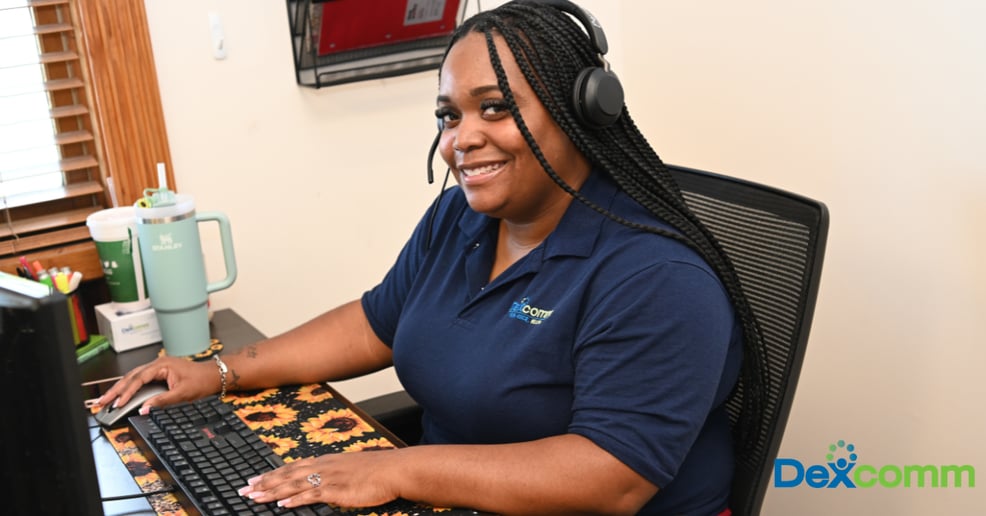
Partner with a dedicated answering service like Dexcomm that offers live agents 24/7, acting as an extension of your team with customized scripts tailored to your industry. This eliminates the need for constant employee availability, reduces burnout, and provides professional handling of calls, including emergencies or after-hours queries. A professional answering service like Dexcomm ensures that no matter the time of day or the situation, your customers will enjoy compassionate support. Benefits include cost savings over in-house staffing, higher conversion rates from prompt responses, and detailed call logging for follow-up and analysis.